

Projects
 Dr. Kuipers’ primary research is on the molecular determinants of vascular, cardiac and other chronic diseases. Her overarching research interests stem from previous exposure to both laboratory and epidemiologic research and include the development of translational approaches that move from “the bench to the population”. Dr. Kuipers’ current research is focused on evaluating the epidemiologic predictors of cardiac structure and function, and other subclinical cardiovascular disease measures in a population-based, longitudinal cohort study on the Caribbean Island of Tobago.
She is also developing new lines of research in collaboration with clinicians at Corewell Health in Grand Rapids. As a scientific advisor to the Fredrik Meijer Heart and Vascular Institute, she is already working to improve early detection of cardiac dysfunction in new cardiology patients, optimize treatment strategies in person with lower-limb interventions, and is characterizing cardiac and vascular changes throughout pregnancy in persons with existing cardiac diseases. In addition, she is developing new lines of research with clinicians at the Helen DeVos Children’s Hospital to understand the molecular markers of congenital heart disease.
Dr. Kuipers’ overarching aim is to use a variety of biospecimen samples to test the association of molecular markers – such as genetic variation, gene expression, and metabolite concentration – with cardiac and vascular measures to better understand the etiology and physiology of cardiovascular diseases. By using clinical and population-based study designs, she hopes to identify novel disease mechanisms with an eye toward implementation that leads to a significant improvement in human cardiovascular health.

- Project 1: Tobago Heart Study
- Project 2: Wnt Signaling in Human Cardiovascular Disease
- Project 3: Clinical Cardiovascular Research at Corewell Health
The Tobago Heart Study is an NIH-funded (R01-HL154153) study that is conducting the first population-based assessment of cardiac structure and function in the Caribbean region. Specifically, this study added echocardiography assessment in 926 adult men and women who were participants in an ongoing longitudinal cohort study on the Caribbean Island of Tobago. In previous work, we identified that Tobagonian adults, who are of predominantly African genetic ancestry, have extremely high prevalence of uncontrolled hypertension and are, therefore, likely at high-risk of cardiovascular disease as they age. However, there were no existing studies of echocardiography in the Caribbean region. The Tobago Heart Study aims to describe the epidemiology of these conditions in population-based adults, as well as to determine the impact of traditional and novel risk factors and to identify serum biomarker of early adverse echocardiographic changes. We hope that this work will set a baseline for the Caribbean region with regard to cardiac health in order to promote public health initiatives to decrease uncontrolled hypertension rates, raise public awareness, and identify subsets at greatest risk for clinical disease.
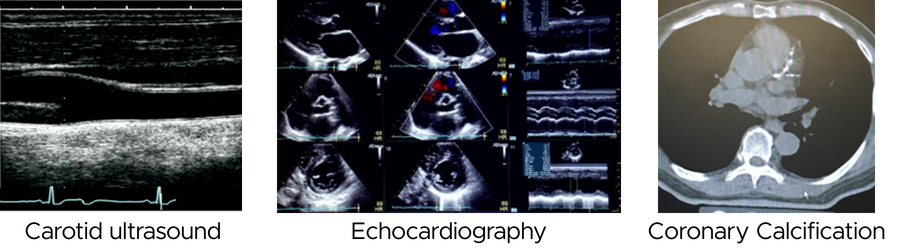
The Tobago Heart Study adds to the wealth of subclinical cardiovascular disease measures that were already added to this longitudinal cohort through Dr. Kuipers’ past work, including carotid ultrasound imaging, pulse-wave velocity assessment, ankle-brachial index measurement, and evaluation of coronary and aortic calcification.
The Wingless (Wnt) family of genes are an evolutionarily conserved group that play critical roles in embryonic development and adult tissue homeostasis. Wnt signaling occurs when Wnt ligands bind to co-receptors, frizzled (FZD) and low-density lipoprotein receptor related protein (LRP), which induces β-catenin translocation to the nucleus to regulate the transcription of Wnt target genes (Fig). Emerging evidence from basic research indicates that Wnt signaling plays a role in angiogenesis, vascular calcification, and atherosclerosis. In the vascular system Wnt ligands are produced by vascular endothelial and smooth muscle cells, pericytes, adventitial fibroblasts, as well as circulating and resident immune cells, and can act as both paracrine and autocrine factors. However, research into the role of Wnt signaling in human cardiovascular diseases has been largely restricted to studies of circulating Wnt inhibitors [e.g., Sclerostin (SOST)] and clinical trials that identified off-target vascular effects of a sclerostin inhibitor developed to treat low bone mineral density.
Our lab has several studies that are trying to expand our knowledge of the broader implications of Wnt signaling in human cardiovascular disease, particularly those associated with calcification phenotypes such as atherosclerotic vascular calcification and medial artery calcification and the preceding arterial stiffness.
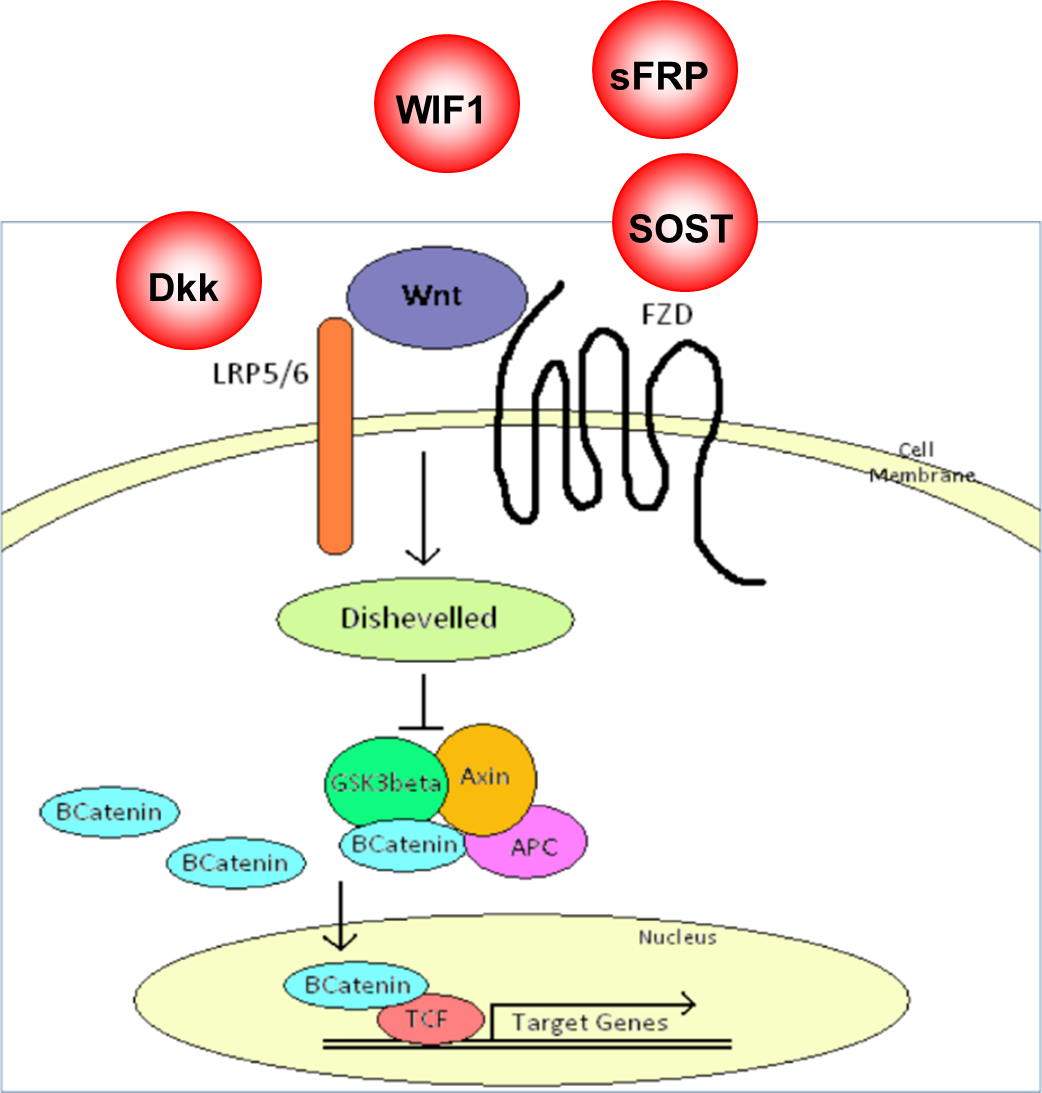
Canonical Wnt Signaling Cascade
As scientific advisor to the Corewell Health Fredrik Meijer Heart and Vascular Institute in Grand Rapids, MI, Dr. Kuipers is involved in many aspects of investigator-initiate research programs in clinical settings, as well as in research mentorship of the clinical residents and fellows. The first project developed in collaboration with Corewell clinicians is a pilot study called Harnessing Point Of Care UltraSound for Heart Failure Diagnosis: the POCUS-HF Trial (PILOT) which is attempted to decrease the long time to diagnosis and treatment for heart failure. While the initial POCUS-HF trial is piloting our approach at a single cardiology clinic in Grand Rapids, our goal is to expand this trial across Michigan where we anticipate its greatest utility to be in the more rural regions of the state that are burdened by understaffing and logistical challenges to receiving care.
Dr. Kuipers is also collaborating on studies led by Corewell Health clinicians. The first is the Vascular Trial Associated Registry Pilot (VSTAR-P): Antiplatelet therapies for patients undergoing lower extremity endovascular revascularization trial with is attempting to optimize anticoagulation treatment after intervention for peripheral artery disease. She is also involved in the COmprehensive Monitoring of Pregnant women with And without cardiovascular diSease States during Physical exertion (Compass-P) Study which aims to fully characterize the physiologic cardiovascular changes throughout pregnancy and to identify molecular markers of this progression in persons with existing cardiovascular diseases such as congenital heart disease, valvular disease, and cardiomyopathies. As an addition new area of research, Dr. Kuipers is also working with clinicians at the Helen DeVos Children’s Hospital in Grand Rapids to identify molecular signatures of congenital heart disease in newborns in order to better predict outcomes and improve patient care.
